
soccer positions (2026)
Soccer positions fall into four groups: goalkeeper, defenders, midfielders and forwards. A full team fields 11 players, one keeper plus ten outfield players split across those three lines, and how a coach arranges them determines the team’s formation and style of play. Understanding each role makes the game easier to watch and, for New York bettors following the 2026 World Cup, easier to bet on with confidence.
The Goalkeeper
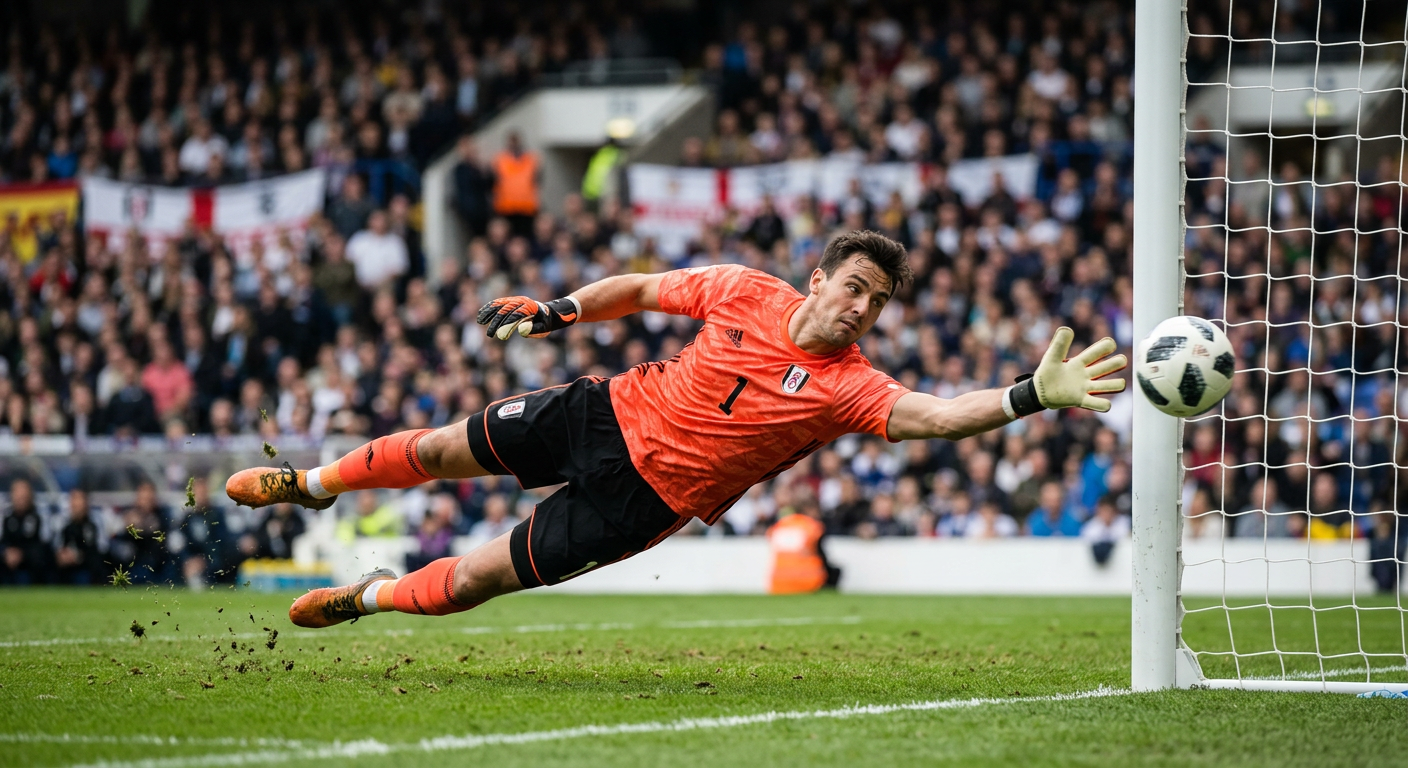
The goalkeeper (GK, number 1) is the only player allowed to use hands and arms, and only inside the penalty box. Outside that area, a keeper has to play like any other field player, using feet to clear the ball or pass under pressure.
Beyond stopping shots, modern goalkeepers organize the back line, read crosses, and start attacks with accurate long or short distribution. Keepers wear a different colored jersey so referees and teammates can identify them instantly.
Defenders
Defenders line up in front of the goalkeeper and work to stop attackers from getting clean shots on goal.
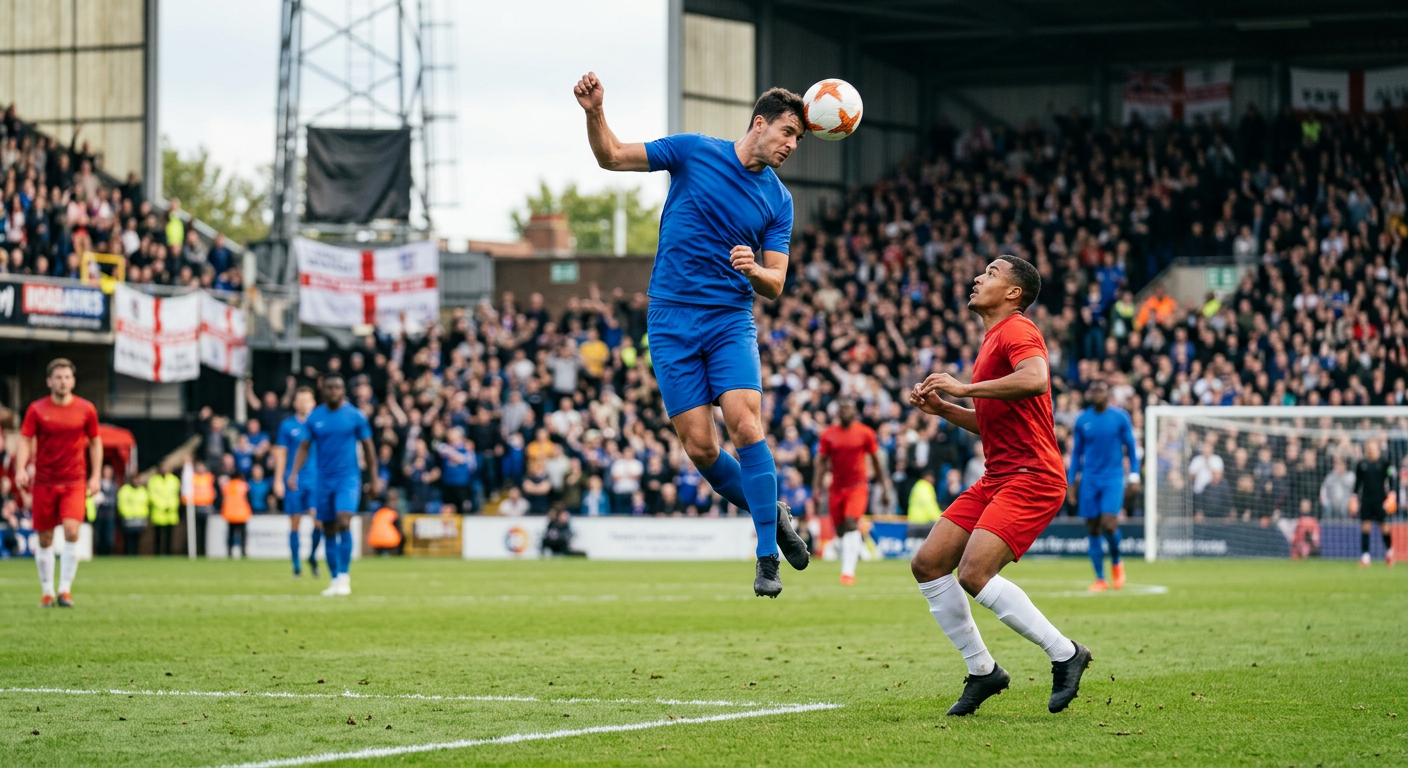
- Center backs (CB, numbers 4 and 5): Play in the middle of the back line, win headers, and mark the opposing team’s most dangerous forwards.
- Fullbacks (numbers 2 and 3): Cover the left and right sides of defense, track opposing wingers, and often sprint forward to support attacks.
- Wingbacks: A more attacking version of the fullback, common in three-center-back formations like 3-5-2, where they cover more ground up and down the flank.
- Sweeper: An older role, now rare, that sits behind the center backs to clean up any ball that gets through.
Midfielders
Midfielders connect defense and attack. They cover the most distance of anyone on the field and dictate the tempo of a match.
- Defensive/holding midfielder (number 6): Sits just ahead of the center backs, breaks up opposing attacks, and recycles possession.
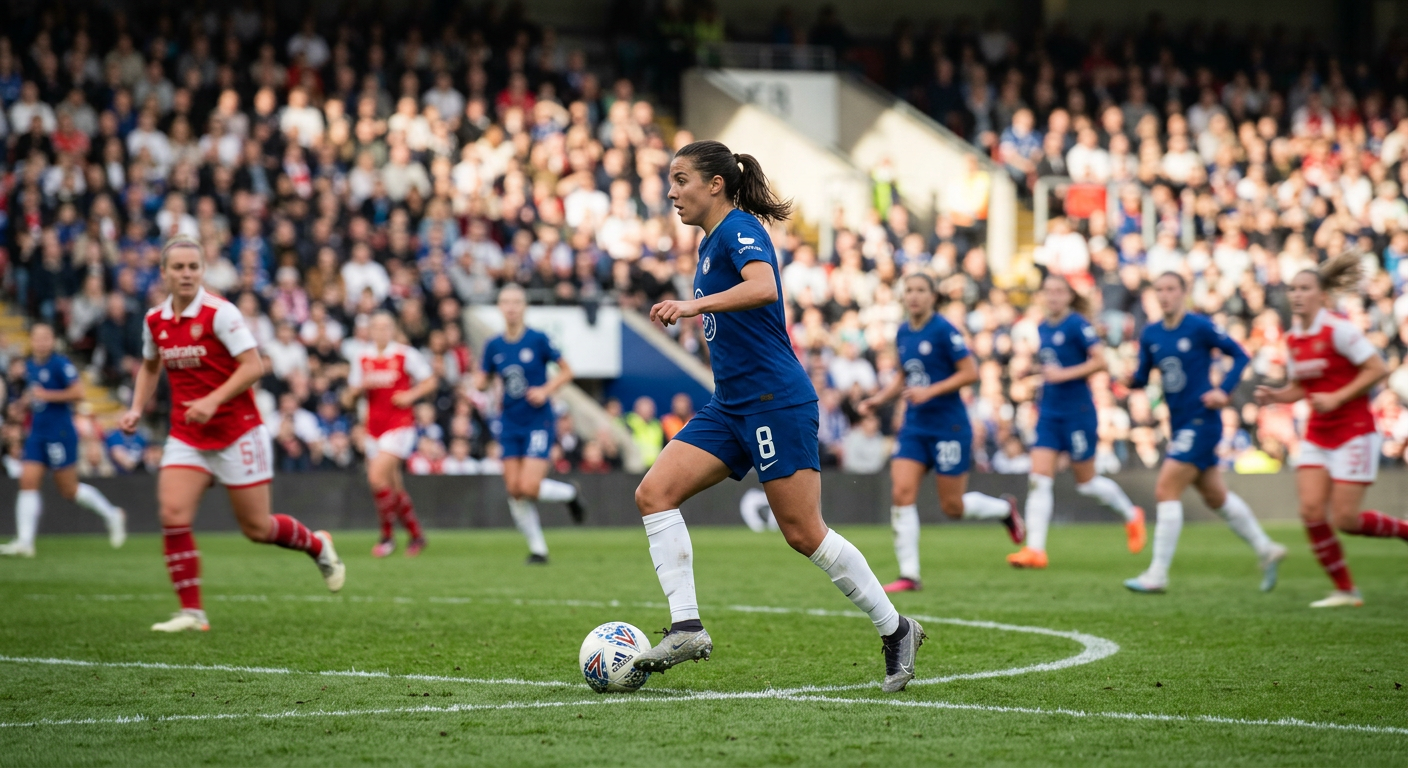
- Central or box-to-box midfielder (number 8): Splits time between defensive work and joining the attack, and needs the stamina to do both for 90 minutes.
- Attacking midfielder (number 10): Plays just behind the forwards, creates chances, and usually leads the team in assists.
- Wide midfielders (numbers 7 and 11): Operate down the flanks in formations without dedicated wingers, mixing defensive tracking with crosses into the box.
Forwards
Forwards are the players tasked with scoring. They play closest to the opponent’s goal and combine speed, finishing and dribbling.
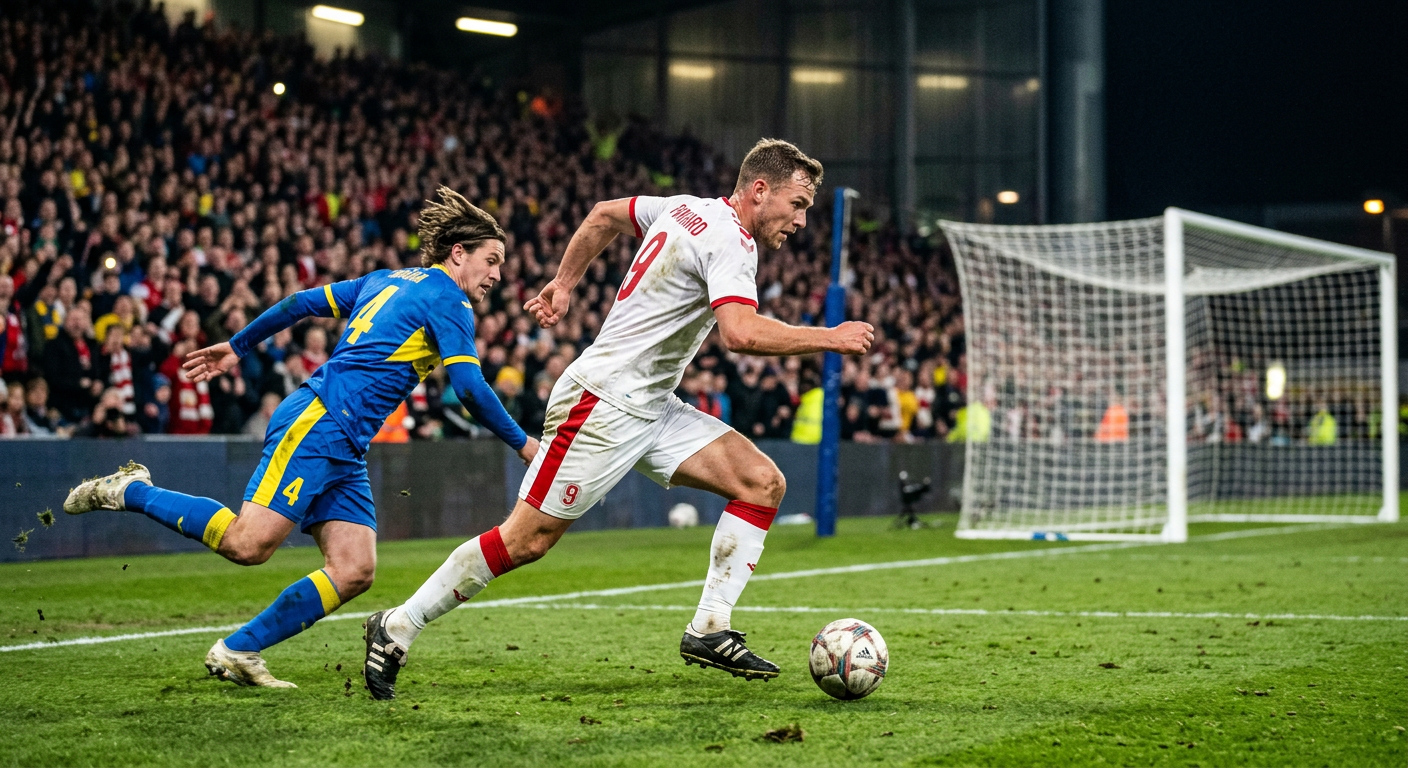
- Striker (ST, number 9): Plays centrally and closest to goal, usually the team’s top scorer.
- Center forward (CF): A more well-rounded version of the striker who links play with midfielders in addition to scoring.
- Wingers (LW/RW, numbers 7 and 11): Attack from wide areas, beat defenders one-on-one, and either cross the ball or cut inside to shoot.
- False 9: A center forward who drops into midfield to drag defenders out of position and open space for teammates running in behind.
Soccer Position Numbers
Jersey numbers have traditionally mapped to specific positions since the system took hold in the 1920s. Coaches at every level, including U.S. Soccer’s youth curriculum, still use these numbers as shorthand.
| Number | Position |
|---|---|
| 1 | Goalkeeper |
| 2 | Right Fullback |
| 3 | Left Fullback |
| 4 | Center Back |
| 5 | Center Back (or Sweeper) |
| 6 | Defensive/Holding Midfielder |
| 7 | Right Winger/Midfielder |
| 8 | Central/Box-to-Box Midfielder |
| 9 | Striker |
| 10 | Attacking Midfielder/Playmaker |
| 11 | Left Winger/Midfielder |
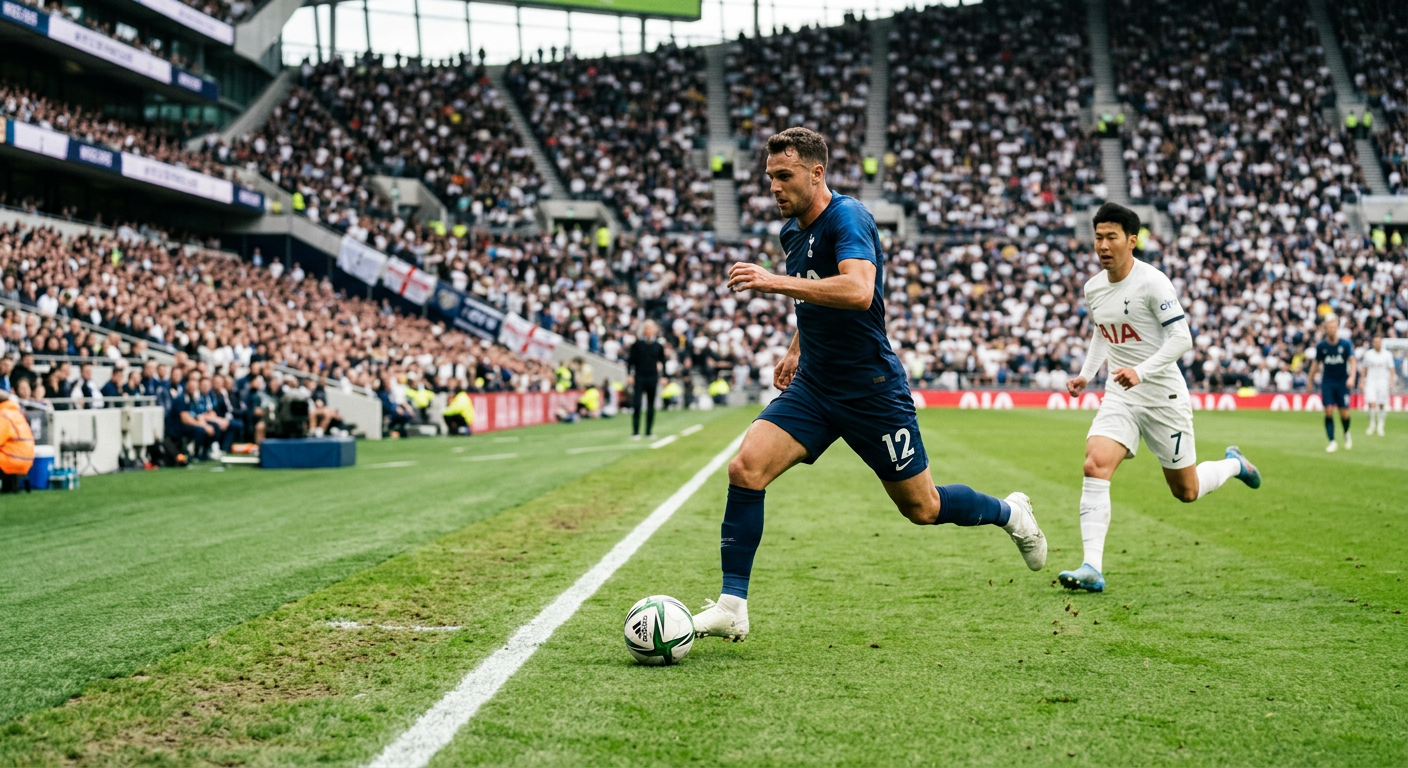
How Formations Shape Positions
No formation is required by the rules of soccer, and the specific mix of positions changes depending on the system a coach chooses.
- 4-4-2: Four defenders, four midfielders, two strikers. A balanced, traditional setup.
- 4-3-3: Four defenders, three central midfielders, three forwards including two wide wingers. Common in possession-heavy attacking teams.
- 3-5-2: Three center backs, two wingbacks, three central midfielders, two strikers. Built to control the middle of the field.
- 4-2-3-1: Two holding midfielders, three attacking players behind a lone striker. A popular setup in international soccer, including several national teams competing in the 2026 World Cup.
Every one of these formations still relies on the same four position groups. The formation just changes how many players occupy each group and how far forward or back they play.
Do Youth Players Need to Specialize?
Not early on. Young players who rotate through multiple positions build a better feel for the whole game. A midfielder who has spent time at center back reads passing lanes differently, and a forward who has played goalkeeper understands what makes a shot hard to save. Specialization tends to matter more as players move into competitive club or high school soccer, where coaches need consistency at each spot on the field.
Why Position Knowledge Helps When Watching or Betting on Soccer
Recognizing positions makes it easier to follow team news, injury reports and lineup changes, all of which move betting markets. A team missing its starting center back faces a different matchup than one missing a backup winger, and sportsbooks price games accordingly.
For readers following the tournament in New York, the guide to World Cup betting and viewing in New York covers how to get started, and the breakdown of how NY sportsbooks list World Cup 2026 markets explains how formations and lineups factor into odds. Anyone planning to back Team USA specifically can check how NY bettors can wager on Team USA during the 2026 World Cup for market-specific details.
Soccer isn’t the only sport where position and roster structure drives how markets get built. The same logic applies to reading a bracket in the NFL playoffs or tracking how a lineup change affects a game that runs through nine innings of baseball. Before placing any wager tied to positional matchups, it’s worth reviewing the sportsbook house rules for New York sports betting so you know how a market settles if a starter gets subbed out early.