
how many innings is a baseball game (2026)
A standard baseball game is nine innings, whether you’re watching MLB, most college baseball, or adult amateur leagues. Each inning gives both teams a turn at bat, and the game ends once nine full innings are complete, unless the score is tied, in which case the teams play extra innings until someone wins.
How an inning works
An inning has two halves. In the top half, the visiting team bats while the home team plays defense. In the bottom half, they switch. Each half-inning ends when the batting team makes three outs, so a full nine-inning game requires each team to get 27 outs from its opponent, barring extra innings.
The home team always bats last. If the home team is already ahead after the visiting team makes its third out in the top of the ninth, the home team doesn’t need to bat at all, and the game ends right there.
Why some games run longer than nine innings
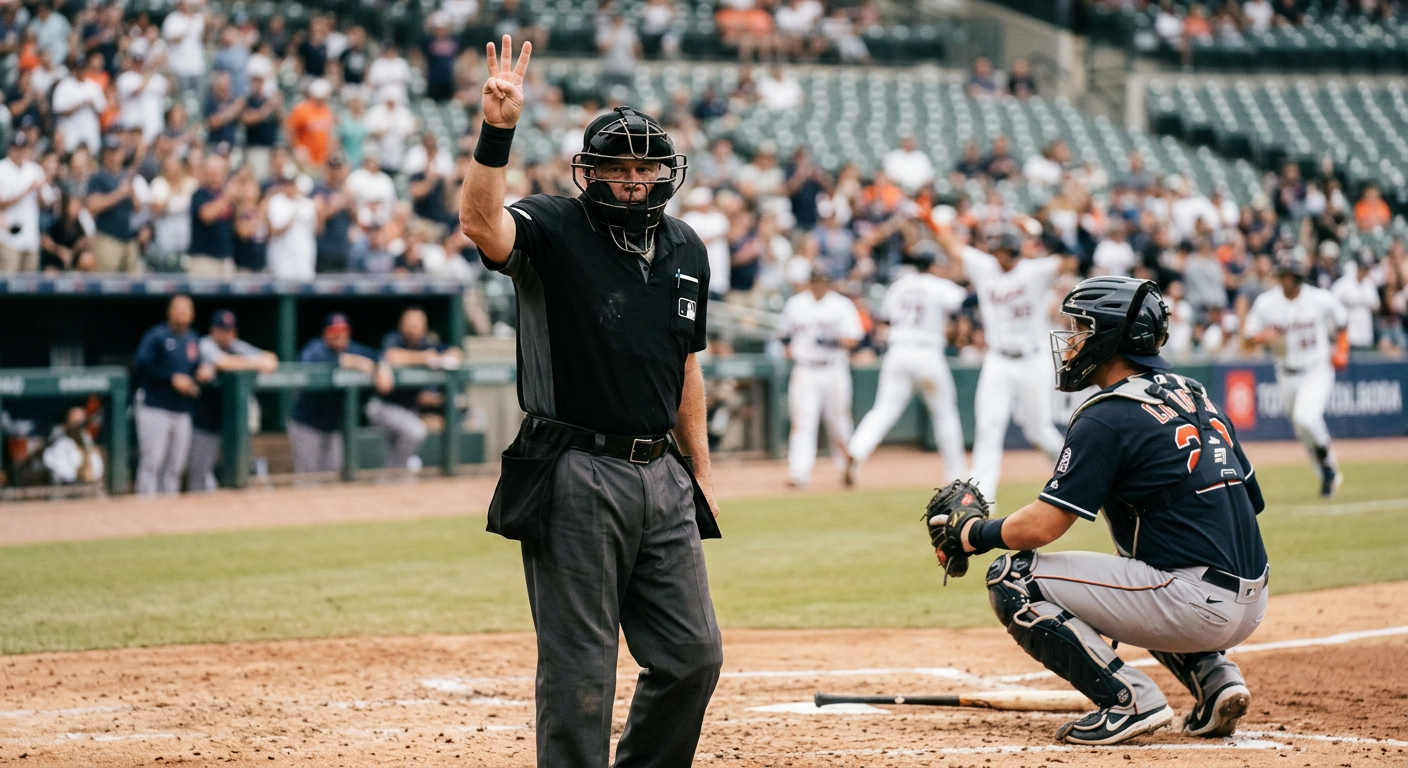
If the score is tied after nine innings, the game moves into extra innings. There’s no cap on how many extra innings a game can go, though it’s rare for a game to stretch much past the 12th or 13th inning. The longest professional game on record, a 1981 Triple-A matchup between the Pawtucket Red Sox and Rochester Red Wings, lasted 33 innings before it was finished the next day.
Since 2020, MLB has used a rule that places a runner on second base to start each half-inning once a game reaches the 10th inning. This was adopted to shorten marathon extra-inning games and reduce strain on pitching staffs, and it remains in place for regular-season games.
When a game ends before nine innings
A few situations let a game finish early and still count as official:
- Weather. If rain or another condition forces a stoppage, the game becomes a “regulation game” once the home team has completed five innings while leading, or once the visiting team has led after five innings, or once 15 outs have been recorded against the home team. If it’s stopped before that point, it’s replayed from the start or resumed later, depending on the league’s rules.
- Mercy rules. Little League and many high school and college leagues end a game early if one team leads by a set margin (commonly 10 runs) after a minimum number of innings, usually four or five.
- Doubleheaders. Some leagues, including MLB in certain scheduling situations, shorten the second game of a doubleheader to seven innings to fit both games into one day.
Innings by level of play
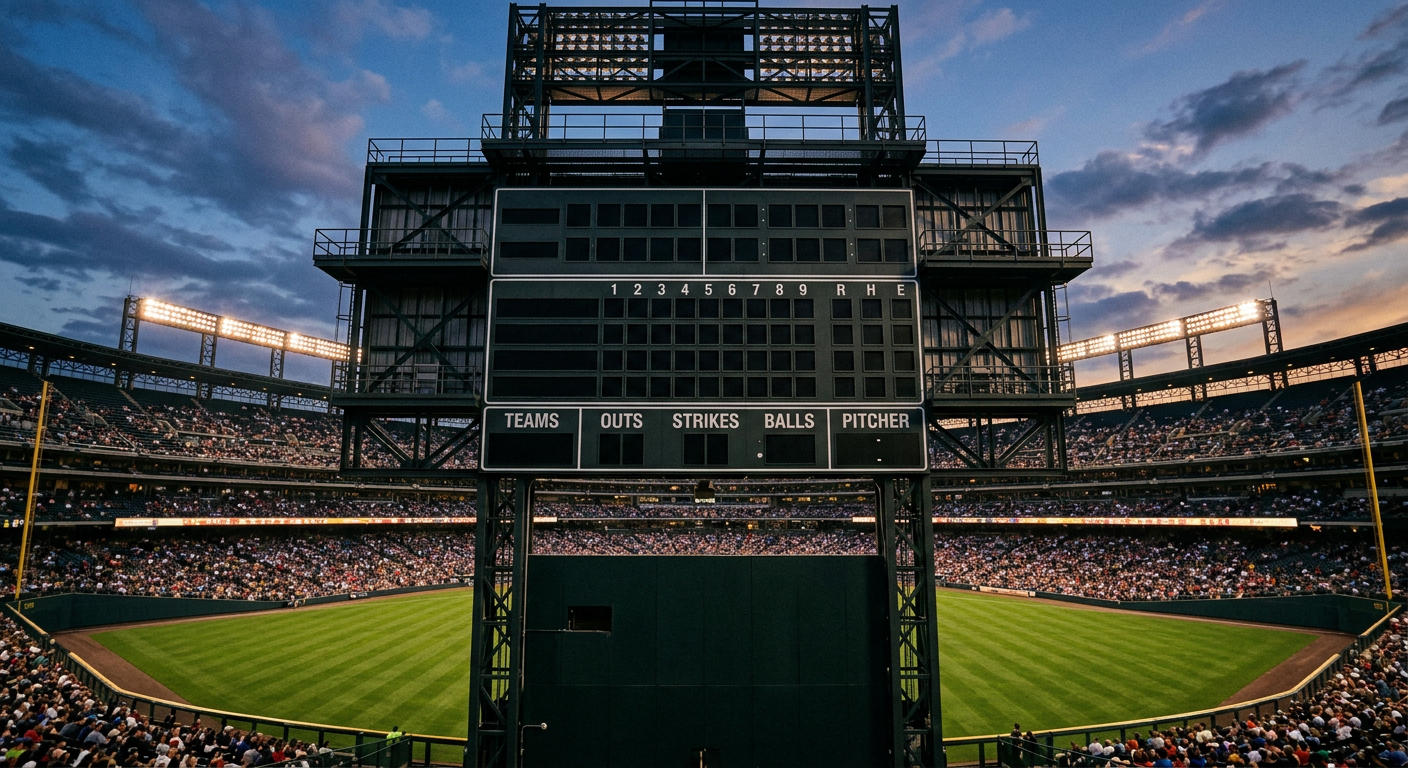
Nine innings is the norm for MLB and most college baseball, but plenty of leagues play shorter games.
| Level | Standard game length |
|---|---|
| MLB | 9 innings |
| NCAA Division I baseball | 9 innings |
| High school baseball | 7 innings |
| Little League (Majors division) | 6 innings |
| Youth leagues (younger divisions) | 4-6 innings, varies by league |
How long a nine-inning game actually takes
MLB games have averaged around 2 hours and 40 minutes to just over 3 hours in recent seasons, depending on how strictly the pitch clock and other pace-of-play rules are enforced. A high school seven-inning game usually runs 2 to 2.5 hours. Extra innings, pitching changes, and instant replay reviews all add time on top of that baseline.
What the inning structure means if you’re following the game closely
Understanding how innings work matters if you’re tracking win probability or looking at run totals for betting purposes. A team’s performance through the first five innings, for example, is what determines whether a game becomes “official” during weather delays, and it’s also a common dividing line in first-five-innings betting markets. If you’re new to how bets on full-game outcomes work, our guides on MLB win totals and the MLB run line break down how sportsbooks price nine-inning outcomes.
If you’re planning to catch a game in person, the New York teams’ home schedules and ballpark details are covered in our Yankees home game guide and Mets home game guide.
More on how games and formats are structured
This piece is part of a broader series we run on how different games and competitions are set up, from bracket formats to odds mechanics. If you’re curious how postseason scheduling compares across sports, see our breakdown of how the NFL playoffs are structured. For explainers outside traditional sports, we also cover how Fire Kirin games work, the mechanics behind skill-based slots, and how prediction markets like PredictIt let people bet on outcomes outside of sports entirely.