
prediction market apps (2026)
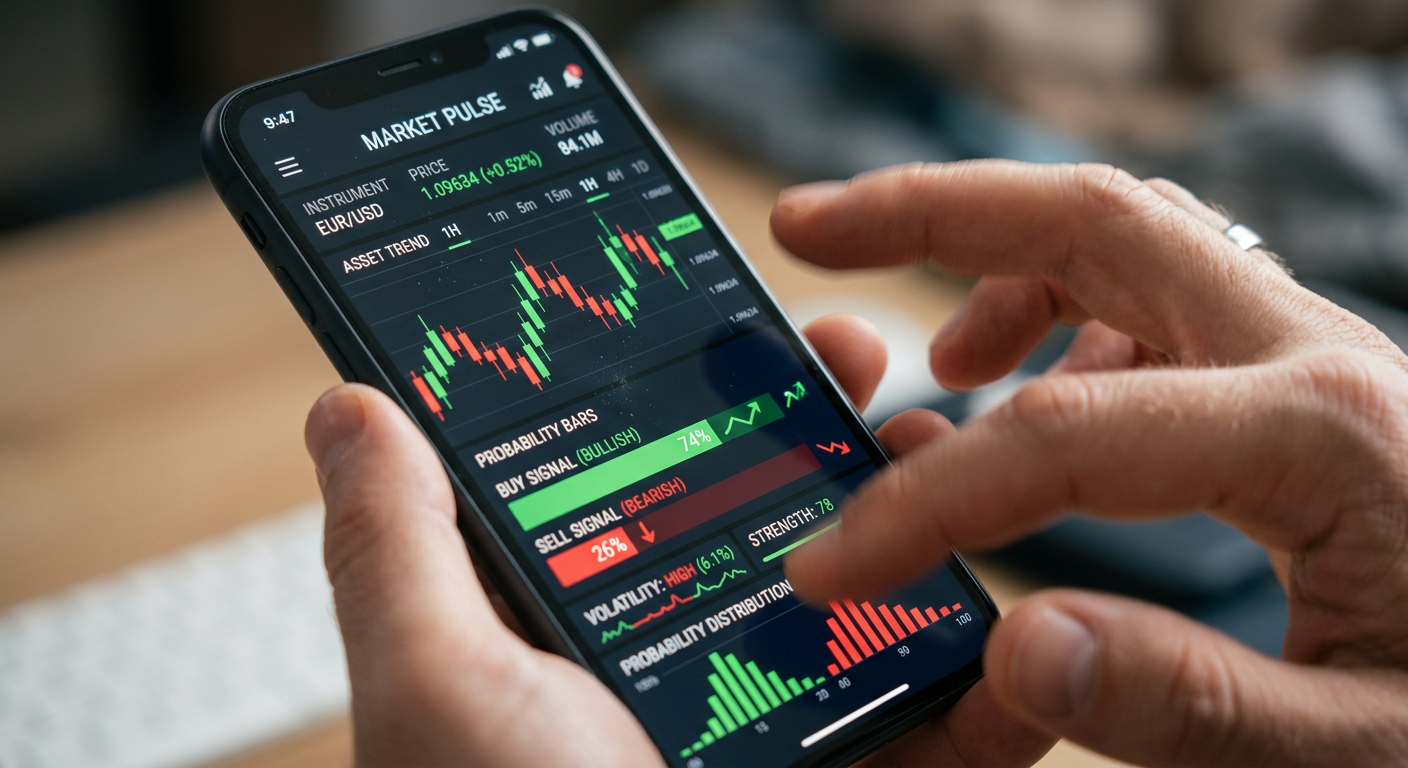
Prediction market apps let you buy and sell contracts tied to the outcome of real-world events, from who wins the Super Bowl to whether the Fed cuts rates in December. Instead of betting against a sportsbook, you trade against other users, with prices that shift as the collective view on an outcome changes. In the US, the biggest platforms, Kalshi and Polymarket, operate under Commodity Futures Trading Commission (CFTC) oversight rather than state gambling licenses, which is why they’re available in states where traditional sports betting is illegal.
How prediction market apps work
Every market centers on a yes/no question: “Will the Chiefs win the AFC Championship?” or “Will inflation come in above 3% in October?” Contracts trade between $0.01 and $0.99, reflecting the market’s implied probability of a “yes.” If you buy a “yes” contract at $0.60 and the event happens, it settles at $1.00, netting you $0.40 per share. If it doesn’t happen, the contract settles at zero.
Because you’re trading against other users rather than a house setting odds, prices move based on order flow and new information, similar to a stock exchange. You can also sell a position before an event resolves, locking in a gain or cutting a loss, which is different from a traditional sports bet you have to hold to the final whistle.
Event contracts vs. sports betting
The mechanics look similar to betting, but the legal structure differs. Sportsbooks operate under state gaming licenses and set odds designed to generate a hold for the house. CFTC-regulated exchanges list “event contracts” and make money on transaction fees, not on being the counterparty to your trade. That distinction is also why sports leagues and some state regulators have pushed back on sports-heavy prediction markets, arguing they function like unlicensed betting.
Major prediction market apps
Kalshi
Kalshi launched in 2021 as the first CFTC-registered exchange for event contracts. It lists markets on sports, politics, weather, economic data, and culture. Fees on sports-style yes/no contracts typically run around 1.4% per transaction, with no fees on ACH deposits or withdrawals. Kalshi has signed distribution deals with Robinhood, Coinbase, and several MLB teams, and it publishes real-time order books so you can see trading activity as it happens.
Polymarket
Polymarket built its reputation on political and cultural event markets using blockchain settlement and USDC deposits. After securing CFTC clearance, it began rolling out a regulated US product (Polymarket US) in late 2025, expanding into sports alongside its established politics and crypto markets. It remains one of the highest-volume platforms globally.
Novig
Novig is a peer-to-peer sports exchange rather than a broad event-contract platform. It markets itself as “no vig” trading, meaning users trade against each other on point spreads, moneylines, and props instead of paying a built-in sportsbook margin. It’s available in most states but focused narrowly on sports.
Other platforms to know
- Underdog Prediction: Combines fantasy-style contests with prediction market features.
- DraftKings Predictions: DraftKings’ entry into event contracts, expanding from its sportsbook and daily fantasy base.
- ProphetX: A CFTC-regulated exchange expanding distribution through B2B partnerships like Swivel Gaming.
- Robinhood and Coinbase: Not standalone prediction market apps, but both now surface Kalshi-powered event contracts inside their existing brokerage and crypto apps.

What to check before you sign up
Regulatory status
Confirm the platform is CFTC-registered or operating a CFTC-approved product. This affects which states you can trade from and how your funds are protected. Some platforms restrict sports contracts in certain states even though the app itself is nationally available for non-sports markets.
Fees
Fee structures vary by contract type and platform. Look at the per-trade fee, whether it’s charged on entry, exit, or both, and whether deposits or withdrawals carry extra charges. A platform advertising “no vig” or low fees can still cost more than expected if it charges on both sides of a trade.
Liquidity
Popular markets like NFL game outcomes or Fed rate decisions usually have deep order books, so you can enter and exit at fair prices. Niche markets, like a specific player’s season-long prop or a smaller cultural event, can have thin liquidity, making it harder to sell before resolution without moving the price against yourself.
Available markets
If you care about player props, check how granular they are. Some exchanges band player performance markets into ranges (for example, yardage in increments of 10) rather than offering exact-number props common on sportsbooks. If your interest is politics, economics, or weather, compare how many contracts each platform lists and how frequently new markets get added.
Withdrawal speed and account verification
Most regulated apps require ID verification (KYC) before you can trade, similar to opening a brokerage account. Check typical ACH withdrawal times, since some platforms process same-day while others take a few business days.
State availability
Prediction market apps aren’t available everywhere. A handful of states have pushed to block sports-related event contracts specifically, arguing they need gambling licenses, while non-sports markets on the same platform may remain open. Availability changes as legal challenges and CFTC guidance evolve, so check each platform’s current state list rather than assuming national access.

Risks to weigh
- You can lose your full stake. A losing contract settles at $0, same as a losing bet.
- Regulatory uncertainty. Sports-focused event contracts face ongoing legal disputes in several states, and rules could change.
- Insider trading enforcement is active. The CFTC has already pursued a case involving nonpublic information used to trade event contracts, so treat these as regulated financial products, not casual side bets.
- Thin markets can trap you in a position. Low liquidity in niche contracts makes it harder to exit before resolution.
Getting started
Pick one or two platforms that list the markets you actually care about, verify your state eligibility, and start with a small trade to see how the order book, fees, and withdrawal process work before committing larger amounts. Compare a live quote for the same event across two apps if you have access to both, since pricing and fees can differ even for an identical contract.