

 Share
Share 


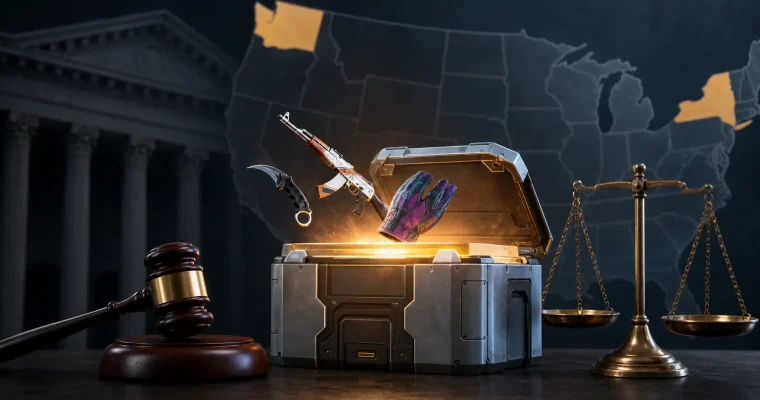
Valve is facing renewed legal pressure over its loot box system, with plaintiff-gamers urging a federal court in Washington state to reject the company’s motion to dismiss a proposed class action alleging violations of Washington gambling law. The dispute is also relevant in New York, where the state attorney general filed a separate lawsuit in February challenging Valve’s loot box system under New York law.
According to the source article, the Washington case centers on paid keys used to open randomized loot boxes containing cosmetic skins tied to games including _Counter-Strike_, _Dota 2_, and _Team Fortress 2_. Plaintiffs argue those virtual items have real economic value because of Valve’s marketplace, transaction fees, and wallet credit system.
Valve, by contrast, argues its loot boxes are more like traditional randomized consumer products, such as baseball card packs or mystery subscription boxes. It also contends the items are not directly redeemable for cash and therefore are not “things of value” under Washington gambling statutes.
For New York readers, the immediate takeaway is not that loot boxes have been definitively classified as gambling, but that the issue is still being actively tested in court and by regulators. The source says the New York attorney general’s separate case adds another state-law challenge to Valve’s model, underscoring how game publishers and platform operators can face different legal theories in different jurisdictions.
The broader scrutiny is not limited to state lawsuits. The Federal Trade Commission held public workshops in 2019 on loot boxes and other in-game monetization practices, and its 2020 Staff Perspective paper summarized concerns including inadequate disclosure of odds, confusing virtual currency systems, risks to children, and dark patterns.
International regulators have also taken action. The source says Belgium and the Netherlands previously required Valve to disable certain loot box functionality, while China has imposed disclosure requirements related to loot box odds.
What comes next is less clear from the current record. The source does not report a ruling yet on Valve’s motion to dismiss in Washington, but the litigation and the New York attorney general’s separate challenge suggest the legal debate over whether loot boxes can trigger gambling or consumer-protection concerns is far from settled.
—
Source: As reported by jdsupra.com.