

 Share
Share 


The Commodity Futures Trading Commission has told platforms including Kalshi and Polymarket to stop displaying sportsbook-style moneyline odds on sports contracts, a move that adds to the pressure on prediction markets already facing gambling-related challenges in New York and other states.
According to the source report, the CFTC said the use of American-style odds can make the products look more like traditional gambling. The agency also cited research indicating that format can push riskier bets.
CFTC move lands amid New York’s case against Kalshi
The federal directive arrives just days after New York Attorney General Letitia James sued Kalshi on July 31, alleging the company was operating an illegal gambling business in the state without a license. The lawsuit seeks an injunction, fines, restitution, and forfeiture of profits.
James said in announcing the case that “prediction markets like Kalshi are gambling platforms, plain and simple.” The suit also alleges Kalshi was open to users younger than New York’s legal mobile sports betting age. Gov. Kathy Hochul has backed New York’s case.
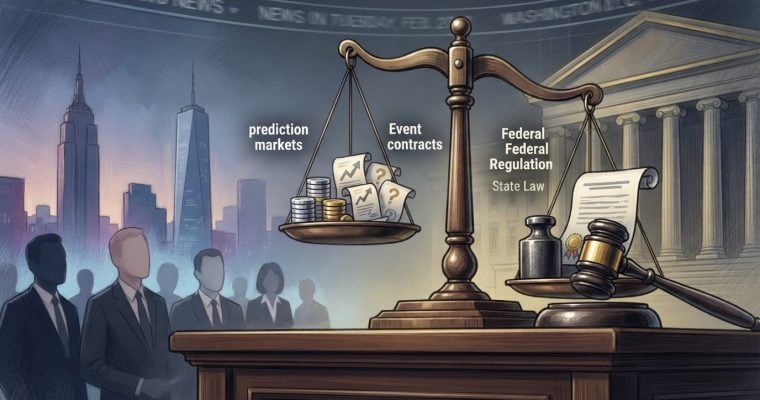
That state-level fight is part of a wider dispute over whether prediction markets should be treated as federally regulated event contracts or as gambling products subject to state law.
More states are challenging prediction markets
The source report says a federal judge allowed Utah to enforce its anti-gambling laws against prediction markets. It also cites reporting that Nevada, Michigan, and Washington have succeeded in shutting down some or all of Kalshi’s operations in their states while litigation continues.
At the same time, the CFTC has filed actions against Arizona, Connecticut, Illinois, Minnesota, and Rhode Island in defense of its authority over federally regulated event contracts.
What New York players should watch next
For New York users, the immediate takeaway is that prediction-market products tied to sports may keep changing while the legal fight continues. The CFTC has already withdrawn earlier event-contract guidance under Chair Michael S. Selig and in June proposed new rules covering contracts tied to war, terrorism, assassination, gaming, and other sensitive areas.
That means both the federal rulemaking process and New York’s lawsuit against Kalshi are worth watching. For players, the key question is not just what markets are offered, but whether regulators ultimately treat them more like financial contracts or gambling products.
—
Source: As reported by Judith Murphy.