As New York lawmakers return for the 2026 legislative session, legalizing real-money online casino gaming is back on the agenda. For the fifth straight year, state Sen. Joseph Addabbo Jr. has introduced legislation to license, tax, and regulate iGaming in the Empire State.
Addabbo, a Democrat from Queens and chair of the Senate Racing, Gaming, and Wagering Committee, re-introduced Senate Bill S2614 on Jan. 7. The bill, carried over from last year’s session, would allow for iGaming and online lottery sales. A companion measure, Assembly Bill A6027, was also resubmitted for 2026. That bill is sponsored by Assemblymember Carrie Woerner, who chairs the Assembly Racing and Wagering Committee.
“I start every session optimistic,” Addabbo told iGaming Business. The senator noted that the longer New York waits to legalize iGaming, the more revenue it loses.
“For every year we don’t do it, we lose about a billion dollars to New Jersey, Connecticut, Pennsylvania, and the illegal market,” he said.
Sweepstakes casino ban paves the way
Addabbo first introduced iGaming legislation in 2022, followed by filings in 2023 and 2024. Those efforts stalled in part due to more focus on the multi-year process of awarding downstate casino licenses, which concluded in late 2025. There was also resistance from stakeholders like the New York Hotel and Gaming Trades Council, which were concerned about job losses at brick-and-mortar casinos.
A precursor to the iGaming bills was last year’s sweepstakes casino ban, signed into law by Gov. Kathy Hochul in December. That legislation outlaws dual-currency casino-style games and effectively chased sweeps operators out of the state.
Addabbo has described the sweepstakes ban as a necessary step toward authorizing New York online casinos.
What’s in the companion NY online casino bills
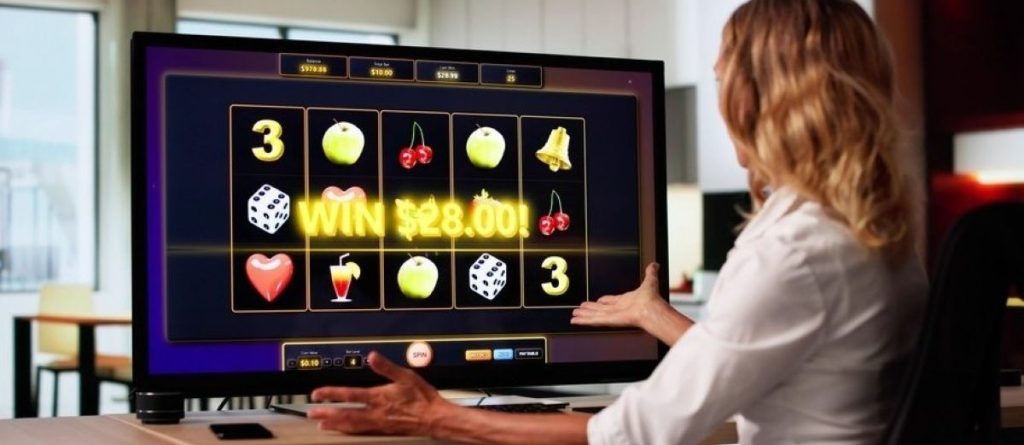
The Addabbo/Woerner iGaming bills outline a comprehensive framework for legal iGaming in New York. Key proposals include:
- Eligibility: Licensed casinos, video lottery terminal facilities, tribal operators (via compacts), and existing mobile sports betting licensees could apply for online casino licensing.
- Games allowed: Slots, table games, live dealer games, online poker, and internet lottery.
- License structure: One branded online casino skin per eligible operator.
- Tax rate: A 30.5% gross gaming revenue tax, which is lower than the 51% tax rate for online sports betting operators in New York, the highest rate in the US.
- Responsible gambling: Mandatory player protections including identity verification and wagering controls, plus funding for problem gambling programs.
Third online casino bill also re-submitted for 2026
Lawmakers are also considering Assembly Bill A5922, also sponsored by Woerner. While the legislation would legalize iGaming like the companion bills, it places stronger emphasis on consumer protections and responsible gambling and does not explicitly include authorization of an online lottery.
Woerner has long been a consumer-first policymaker, emphasizing player safety, oversight, and public health in any gambling expansion efforts. A5922 reflects that philosophy, offering an alternative framework that allows lawmakers to debate protections alongside revenue and operational issues.
Compared with S2614 and A6027, A5922 strengthens responsible gambling provisions, including:
- Expanded authority for regulators to impose player protection standards
- Stronger problem gambling prevention requirements
- Clearer advertising and marketing restrictions
Woerner hasn’t publicly discussed why she filed an additional iGaming bill, which mostly aligns with the companion bills. But multiple, differing bills could provide legislative flexibility to reconcile revenue, oversight, and consumer protection priorities.
Where things go from here
All three online casino bills remain in their respective Racing and Wagering committees. For progress, lawmakers will need to come to an agreement on things like tax rates, licensing provisions, and responsible gambling requirements, then advance the bills to floor votes in both chambers.
Hochul has not formally endorsed iGaming legalization, but her signing of the sweepstakes casino ban late last year suggests she may support regulated, consumer-protected gaming in order to keep residents from pursuing unregulated alternatives.