
minnesota prediction markets (2026)
Minnesota residents can currently access prediction markets like Kalshi and Polymarket. A federal judge blocked the state’s first-in-the-nation law banning these platforms just days before it was set to take effect, and the ban remains on hold while a lawsuit over who has authority to regulate them plays out in court.
What Minnesota’s law would have done
Minnesota passed a law making it a crime to create, operate, or help administer nearly any activity connected to a prediction market. That would have covered not just Kalshi and Polymarket directly, but potentially banks, payment processors, and other businesses that facilitate transactions on those platforms. It was the first state law of its kind aimed squarely at prediction markets rather than traditional sports betting.
The law was scheduled to take effect on a Saturday in late July 2026. Kalshi, Polymarket, and the U.S. Commodity Futures Trading Commission sued to stop it before it went into force.

The court ruling that paused the ban
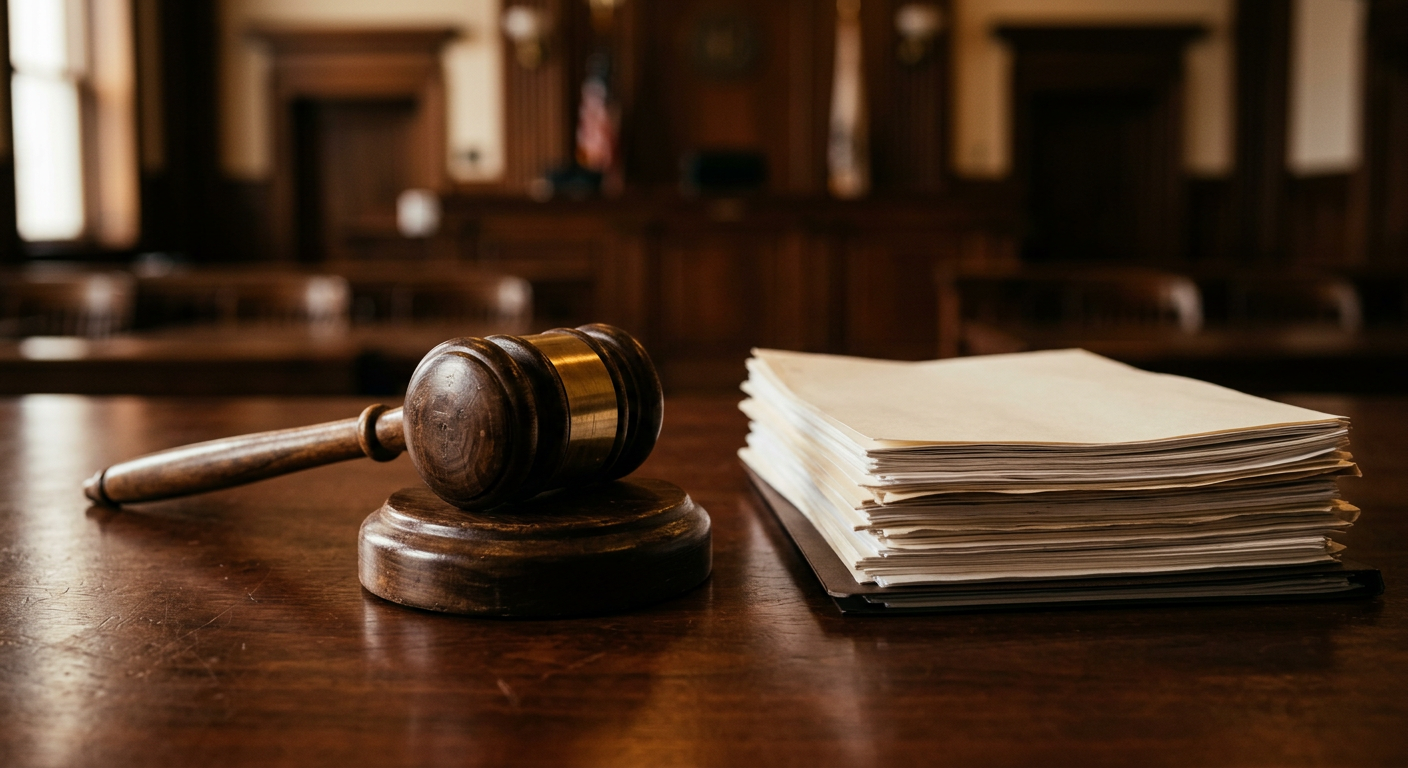
U.S. District Judge Katherine Menendez, sitting in Minnesota, granted a preliminary injunction on the Monday before the law was to take effect. She found that the CFTC, Kalshi, and Polymarket were likely to win their underlying legal challenge, and that allowing the ban to take effect would cause “irreparable harm” to the operators.
That ruling keeps the law blocked for now. It is not a final decision on the merits, but it signals how the judge views the strength of each side’s argument as the case moves forward.
The core legal dispute
The fight centers on jurisdiction, not just gambling policy. Two competing views are in play:
- Kalshi, Polymarket, and the CFTC argue that federal law gives the CFTC exclusive authority to regulate “event contracts,” the type of trades offered on prediction market platforms, because they function like commodities and futures contracts already under federal oversight.
- Minnesota and other states argue that most of the activity on these platforms is functionally sports betting, an area states have long regulated themselves, and that it’s fundamentally different from the commodities markets the CFTC has historically overseen.
Minnesota Attorney General Keith Ellison rejected the court’s framing after the ruling, saying prediction markets are “gambling, plain and simple” and that “Minnesota has every right to keep predatory gambling out of our communities.” He said he disagreed with the idea that the “proper status quo” is one that lets these apps keep operating, but confirmed his office would keep defending the law as the case continues.
Polymarket’s chief legal officer, Neal Kumar, said the ruling makes clear that prediction markets on CFTC-registered exchanges “are governed by federal law, not a patchwork of state rules.” A Kalshi spokesperson put it more bluntly: “states cannot ban things that they don’t have jurisdiction over.”
Why this is happening now
The CFTC’s chairman, a Trump appointee, said in February 2026 that the agency would “no longer sit idly by” while states try to regulate or ban prediction markets, calling it an attempt to undermine the agency’s exclusive jurisdiction. That statement set the tone for a wave of federal litigation against states.
Minnesota isn’t an isolated case. In April 2026 alone, the federal government sued Connecticut, Arizona, and Illinois over their own efforts to regulate prediction market operators. New York separately sued Coinbase and Gemini, two newer entrants offering prediction-market-style products, adding another front to the legal fight.
Casino and tribal gaming interests are pushing in the opposite direction. The American Gaming Association, which represents commercial casinos, estimates states have lost more than $1.2 billion in tax revenue from wagers since prediction markets began offering sports event contracts. Native American tribal leaders and state gambling regulators have echoed Minnesota’s position, arguing that betting on sports, elections, and other outcomes through these platforms is unregulated gambling operating outside the licensing and consumer-protection rules that apply to casinos and sportsbooks.

What this means if you use Kalshi or Polymarket in Minnesota
For now, nothing changes for Minnesota users. The injunction keeps the ban from taking effect, so trading on Kalshi, Polymarket, or similar CFTC-registered platforms remains legal in the state while litigation continues.
That could change depending on how the case develops:
- If Minnesota wins on the merits, the ban could take effect later, potentially with a grace period for winding down accounts.
- If the CFTC and the platforms win, Minnesota’s law could be struck down permanently, reinforcing federal preemption over state gambling law in this area.
- Either side can appeal to the Eighth Circuit Court of Appeals, which would extend the timeline well beyond the district court’s initial ruling.
Users should watch for official statements from the Minnesota Attorney General’s office and from the platforms themselves rather than relying on secondhand summaries, since the legal status could shift again on short notice.
How Minnesota fits the national pattern
Every state fight over prediction markets so far follows a similar script: a state passes or enforces a gambling law against Kalshi, Polymarket, or a similar platform, the CFTC or the company sues arguing federal preemption, and a federal court issues a temporary injunction while the underlying jurisdictional question gets litigated. Minnesota’s case is notable mainly because it was the first state to pass an outright ban rather than trying to apply existing gambling licensing rules to the platforms.
The jurisdictional question, whether prediction markets are federally regulated financial instruments or state-regulated gambling products, has not been resolved by any appellate court yet. Until that happens, expect more states to test both approaches: direct bans like Minnesota’s, and enforcement actions under existing gambling statutes like those seen in Connecticut, Arizona, and Illinois.
Where to track the case
- Minnesota Attorney General’s office public statements and press releases
- Court filings in the U.S. District Court for the District of Minnesota
- CFTC public statements on event contract jurisdiction
- Statements from Kalshi and Polymarket’s legal teams, which have been active in publicizing rulings in their favor