
betting us (2026)
Betting US operations run through state-licensed sportsbooks, casinos, racebooks, and daily fantasy platforms, not a single federal system. Since the Supreme Court struck down the Professional and Amateur Sports Protection Act (PASPA) in May 2018, each state has written its own rules on what’s legal, who can operate, and how residents can wager. That means the betting US landscape looks completely different depending on your zip code.
How Legal Betting in the US Actually Works
There’s no federal license for sports betting. Instead, individual state legislatures and gaming commissions decide whether to legalize it, who can offer it (tribal casinos, commercial casinos, lotteries, or standalone mobile operators), and how it’s taxed. The Federal Wire Act still applies in the background, which is why licensed sportsbooks geofence their apps to state lines and won’t let you place a bet from Manhattan on an app licensed only in New Jersey.
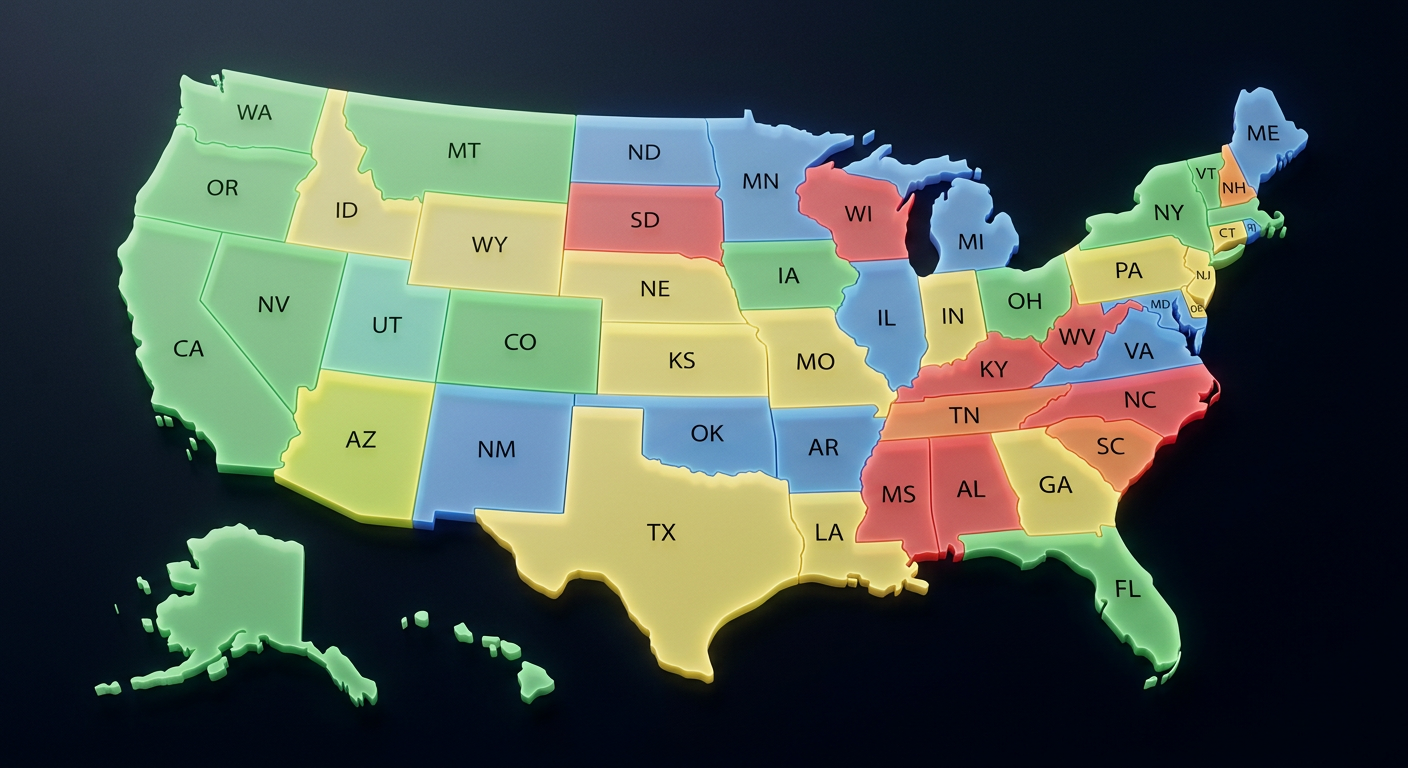
More than 38 states plus Washington, D.C. have legalized some form of sports betting as of 2025, though a handful (including California, Texas, and Georgia) still don’t offer regulated sports wagering. Some states allow only retail betting at casinos, others allow full online and mobile betting, and a few restrict things further by limiting the number of licensed operators.
Retail vs. Online Betting
- Retail sportsbooks operate inside physical casinos or racetracks and require you to place bets in person.
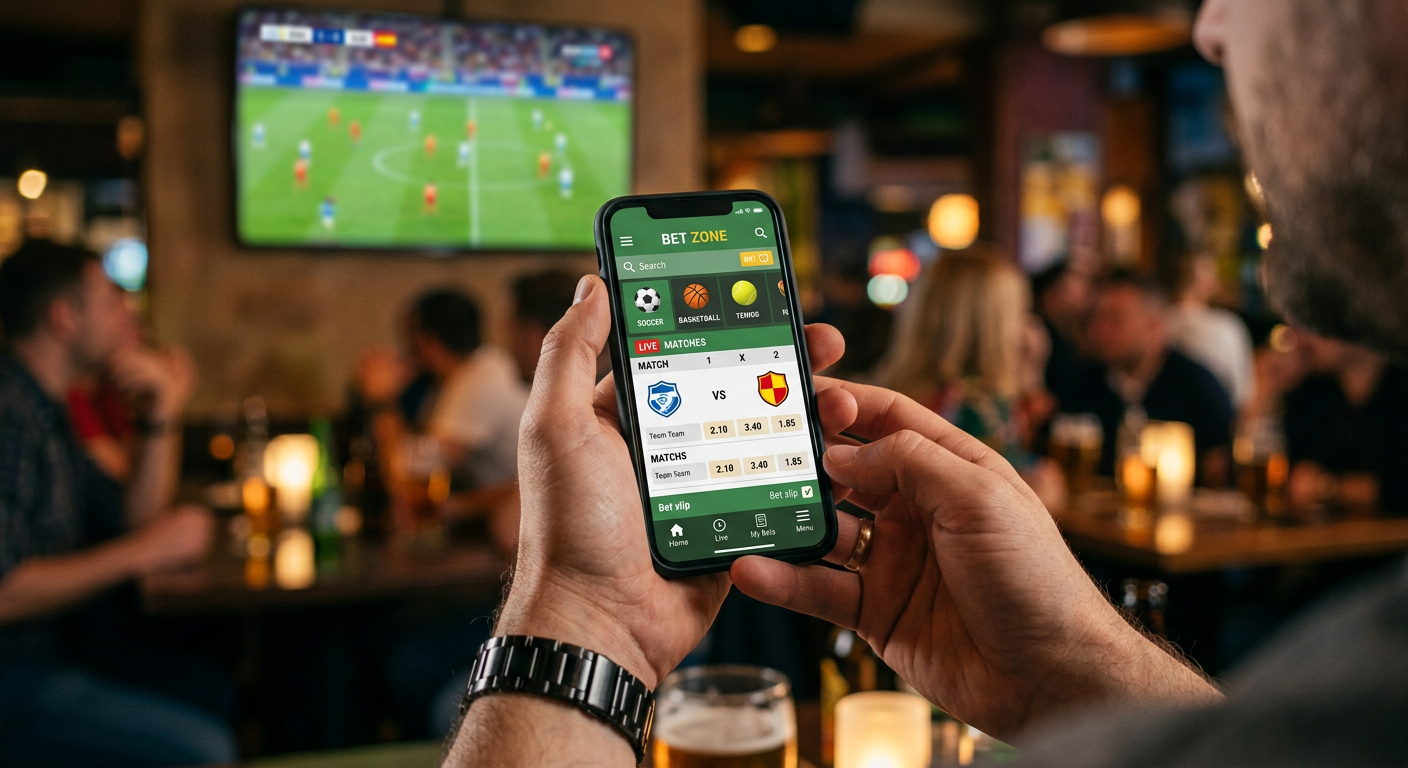
- Online and mobile sportsbooks let residents (and visitors, in most states) wager from a phone or computer anywhere inside state borders.
- Prediction markets like Kalshi have entered the picture in several states, offering event contracts that function similarly to bets but are regulated as financial derivatives rather than gambling.
What You Can Bet On
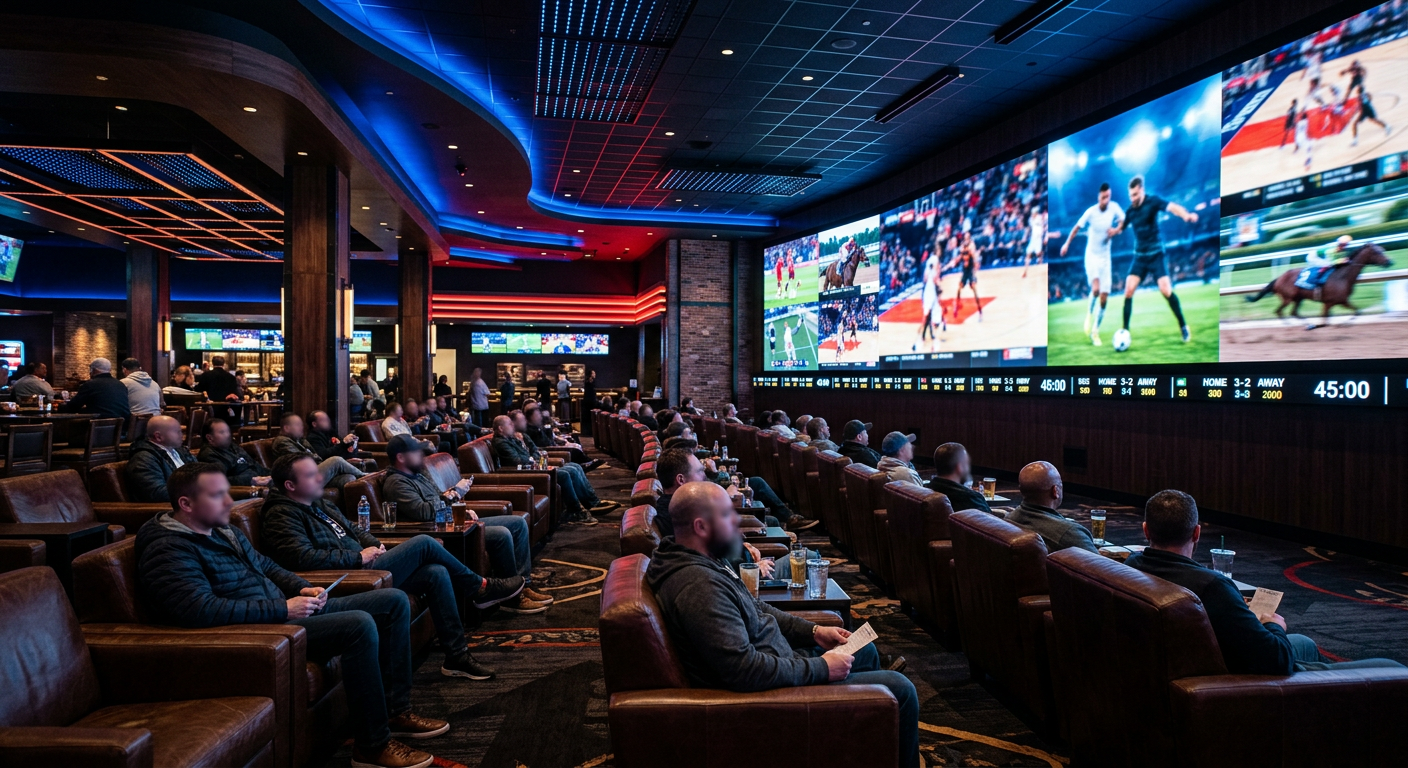
Sports betting dominates the US market, and football alone accounts for a huge share of annual handle. Interest spikes hardest around the NFL playoffs, when single-elimination stakes push betting volume well above regular-season levels. International soccer is growing fast too, with sportsbooks expecting heavy action around Team USA’s matches in the 2026 World Cup.
Beyond straight moneyline and point-spread bets, most licensed books offer:
- Player and game props, which let you bet on specific outcomes like passing yards or first-half scores rather than the final result
- Parlays, combining multiple bets into one ticket for a bigger payout at higher risk
- Futures, wagers placed on season-long outcomes like championship winners
- Live or in-play betting, where odds shift in real time as a game unfolds
If you’re new to prop betting, the mechanics and terminology are worth learning before you place a ticket. A closer look at how prop bets work breaks down the different formats sportsbooks use.
Casino and Card Game Betting
Betting US isn’t limited to sports. Legal online casinos in states like New Jersey, Michigan, Pennsylvania, and Connecticut offer slots, table games, and live dealer poker. Skill-adjacent games have also found a foothold: cabinet games like Fire Kirin have become popular in social and sweepstakes gaming circles, blending arcade-style mechanics with betting-style payouts.
Poker remains one of the most enduring forms of regulated card-based wagering in the US, whether at a casino table or through a licensed online poker room. Getting the fundamentals right matters more than people expect. Understanding how poker hands are ranked and knowing the full breakdown of hands in poker is the baseline for playing profitably rather than guessing at showdown.
Licensed Operators vs. Offshore Sites
Every state that legalizes betting requires operators to hold a license, segregate customer funds, submit to audits, and follow rules on advertising and responsible gambling. Offshore sportsbooks that accept US customers without a state license don’t answer to any of that. Common complaints against unlicensed offshore books include delayed or denied withdrawals, sudden account closures, and no real path to dispute resolution.
Before signing up anywhere, check for:
- A visible state gaming license number, usually listed in the site footer
- Verifiable ownership by a company registered to operate in your state
- Clear terms on withdrawal times and deposit limits
- A responsible gambling section with self-exclusion tools and a helpline

Scale of the US Betting Market
US sports betting has grown from a niche, mostly Nevada-based activity into a mainstream, multi-billion-dollar industry in under a decade. Americans wagered an estimated $166 billion on sports in 2025, a figure that outpaced combined spending on movies, music, books, and museums. That growth has pulled in new technology providers building faster odds engines and in-game betting tools, and the US is positioning itself as a hub for that kind of innovation, with firms like Sportradar pushing betting technology development inside the US market rather than overseas.
Getting Started as a New Bettor
If you’re setting up an account for the first time, a few practical steps cut down on headaches later:
- Confirm your state’s minimum betting age (18 or 21, depending on the state)
- Use your legal name and current address during registration, since sportsbooks verify identity before allowing withdrawals
- Start with small stakes on bet types you understand, like moneylines or spreads, before moving into parlays or props
- Set a deposit limit inside the app itself rather than relying on willpower alone
Compare at least two or three licensed operators in your state before committing. Odds, boosts, and welcome offers vary enough between books that shopping around on your first few bets can make a real difference in long-run value.