
what is kalshi (2026)
Kalshi is a federally regulated exchange based in New York City that lets people buy and sell contracts tied to the outcome of real-world events, such as whether the Fed will cut interest rates, who will win an election, or whether a hurricane will make landfall in a given state. Instead of buying stock in a company, you’re buying a “yes” or “no” position on a specific question, and the contract pays out based on what actually happens.
The platform is registered with the Commodity Futures Trading Commission (CFTC) as a Designated Contract Market (DCM), the same regulatory category used by the Chicago Mercantile Exchange and the Intercontinental Exchange. That status is what separates Kalshi from offshore betting sites or informal prediction markets: trades clear through a CFTC-licensed exchange rather than an unregulated bookmaker.
Who Built Kalshi and When
Tarek Mansour and Luana Lopes Lara, both MIT graduates, founded the company in 2018 in San Francisco. The project originally went by the name “Kownig” before rebranding to Kalshi. The CFTC granted the company its designated contract market license in November 2020, making it the first platform of its kind to receive that approval for event contracts. Kalshi opened to the public in July 2021 and later relocated its headquarters to Manhattan.
How Kalshi Contracts Work
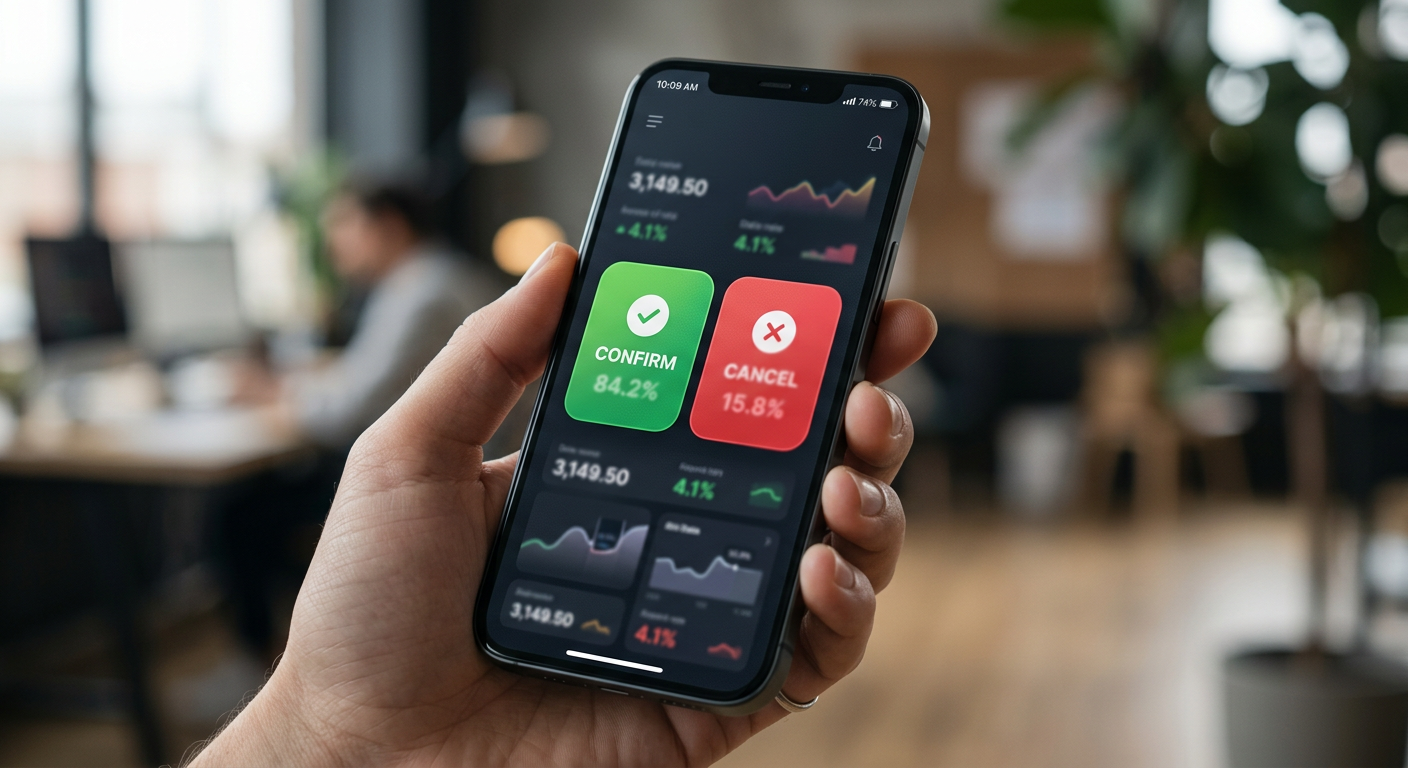
Every market on Kalshi asks a binary question with a clear resolution date, for example “Will the unemployment rate be above 4% in March?” Traders buy “Yes” or “No” shares, and each share is priced between 1 cent and 99 cents. That price reflects the market’s running estimate of the probability of the outcome: a “Yes” contract trading at 65 cents implies the market sees roughly a 65% chance the event happens.
If your side is correct when the contract settles, each share pays out $1. If you’re wrong, the share is worth nothing. So buying a “Yes” contract at 30 cents and watching the event occur nets you 70 cents in profit per contract; if it doesn’t happen, you lose the 30 cents you put in. You aren’t locked in until settlement, either. Prices move as new information comes in, so you can sell your position early to lock in a gain or cut a loss before the market resolves.
Kalshi makes money through small transaction fees charged on trades, not by taking the other side of your bet the way a traditional sportsbook does. Because contracts are matched between traders on an order book, the exchange itself isn’t rooting for a particular outcome.

What You Can Trade on Kalshi
The catalog spans several categories, and it has grown substantially since the 2021 launch:
- Economics and finance: Fed rate decisions, CPI inflation prints, jobs reports, GDP growth, and index levels for benchmarks like the S&P 500.
- Politics: election outcomes, legislative votes, and appointments. Kalshi’s political contracts became a flashpoint with regulators and drew significant attention after a federal appeals court sided with Kalshi’s right to offer election-related markets in 2024.
- Weather and climate: temperature records, hurricane landfalls, and snowfall totals in specific cities.
- Sports: game outcomes, championship winners, and player-related events. Sports-related contracts have become one of the largest sources of trading volume on the platform.
- Culture and awards: movie box office results, award show winners, and other pop-culture outcomes.
How Kalshi Differs From Sports Betting Apps
Kalshi looks similar to a sportsbook when you’re wagering on a game outcome, but the legal structure underneath is different. Sportsbooks like DraftKings or FanDuel operate under state gambling licenses and are barred from many states. Kalshi operates under a single federal license from the CFTC, which is why it can offer markets, including some sports contracts, in states where traditional sports betting is otherwise restricted or unavailable.
That structure has put Kalshi in an ongoing legal fight with several state regulators and gaming commissions, which argue that sports-related event contracts amount to gambling and should fall under state law rather than federal commodities rules. Kalshi has pushed back in court, arguing that CFTC oversight preempts state gambling statutes for products it lists as regulated derivatives.
Is Kalshi Legal and Regulated?
Yes, at the federal level. Kalshi operates as a DCM under CFTC oversight, which means it has to meet requirements around contract listing, market surveillance, customer fund protections, and reporting that resemble those governing commodities and futures exchanges. That’s a materially different framework from state-licensed casinos or offshore betting sites, which don’t answer to the CFTC at all.
The regulatory picture is still evolving, though. The CFTC itself spent years debating whether to approve Kalshi’s election contracts, with commissioners publicly disagreeing over whether those markets serve a legitimate hedging purpose or amount to speculation on political outcomes. Some contract categories have been approved, rejected, then relisted as legal challenges and agency leadership have changed. Anyone trading on the platform should expect that the list of available markets can shift as rulings come down.
Getting Started on Kalshi
- Create an account and verify your identity, since Kalshi is a regulated financial exchange and requires KYC checks similar to a brokerage.
- Deposit funds via bank transfer or debit card.
- Browse markets by category and check the current “Yes” and “No” prices, which double as implied probabilities.
- Buy a contract, monitor the price as new information comes in, and either hold to resolution or sell your position beforehand.
Contract fees and minimum trade sizes vary by market, so check the fee schedule for a specific contract before placing a trade. As with any market where you can lose your full stake, size positions according to how confident you actually are in the outcome, not just how interesting the question sounds.