
positions in soccer (2026)
Soccer fields 11 players per side, split into four groups: one goalkeeper, defenders, midfielders and forwards. Each group has specific jobs on the pitch, and within each group there are specialized roles like center back, holding midfielder or winger that shape how a team attacks and defends. Understanding these positions in soccer makes it far easier to follow a match, whether you’re watching a Premier League fixture or a Saturday morning youth game.
The Four Position Groups
Every formation, from a 4-4-2 to a 3-5-2, is built from the same four building blocks. The numbers in a formation (like 4-3-3) tell you how many defenders, midfielders and forwards a coach is putting on the field, in that order.
- Goalkeeper (GK): The only player allowed to use hands, and the last line of defense.
- Defenders (DF): Center backs and fullbacks who stop the opposing attack.
- Midfielders (MF): The link between defense and attack.
- Forwards (FW): The players tasked with scoring goals.
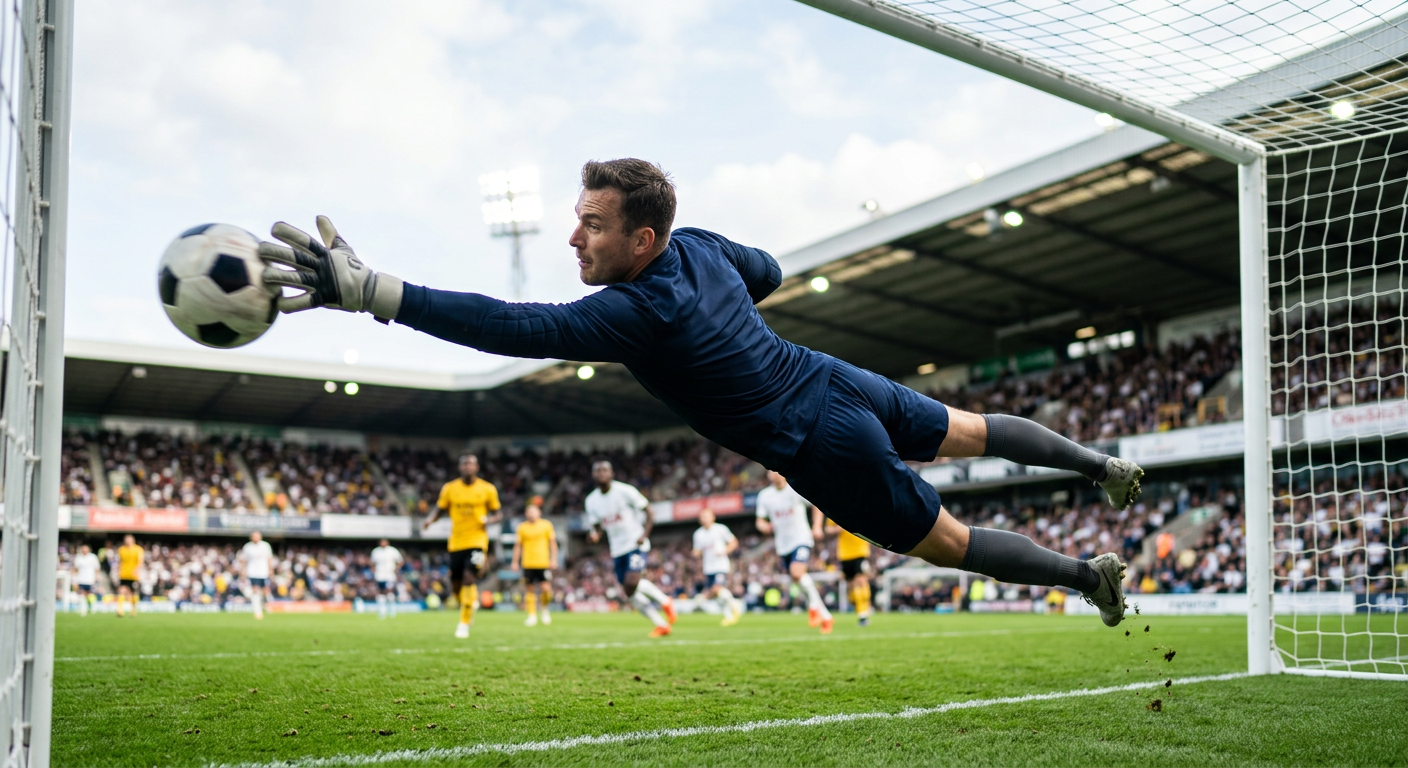
Goalkeeper
The goalkeeper wears number 1 in most numbering systems and is the only player on the field permitted to handle the ball, though only inside the penalty box. Beyond shot-stopping, a good keeper reads crosses, commands the defensive line with communication, and starts attacks with accurate throws and long distribution. Reflexes matter, but positioning and decision-making separate top keepers from the rest.
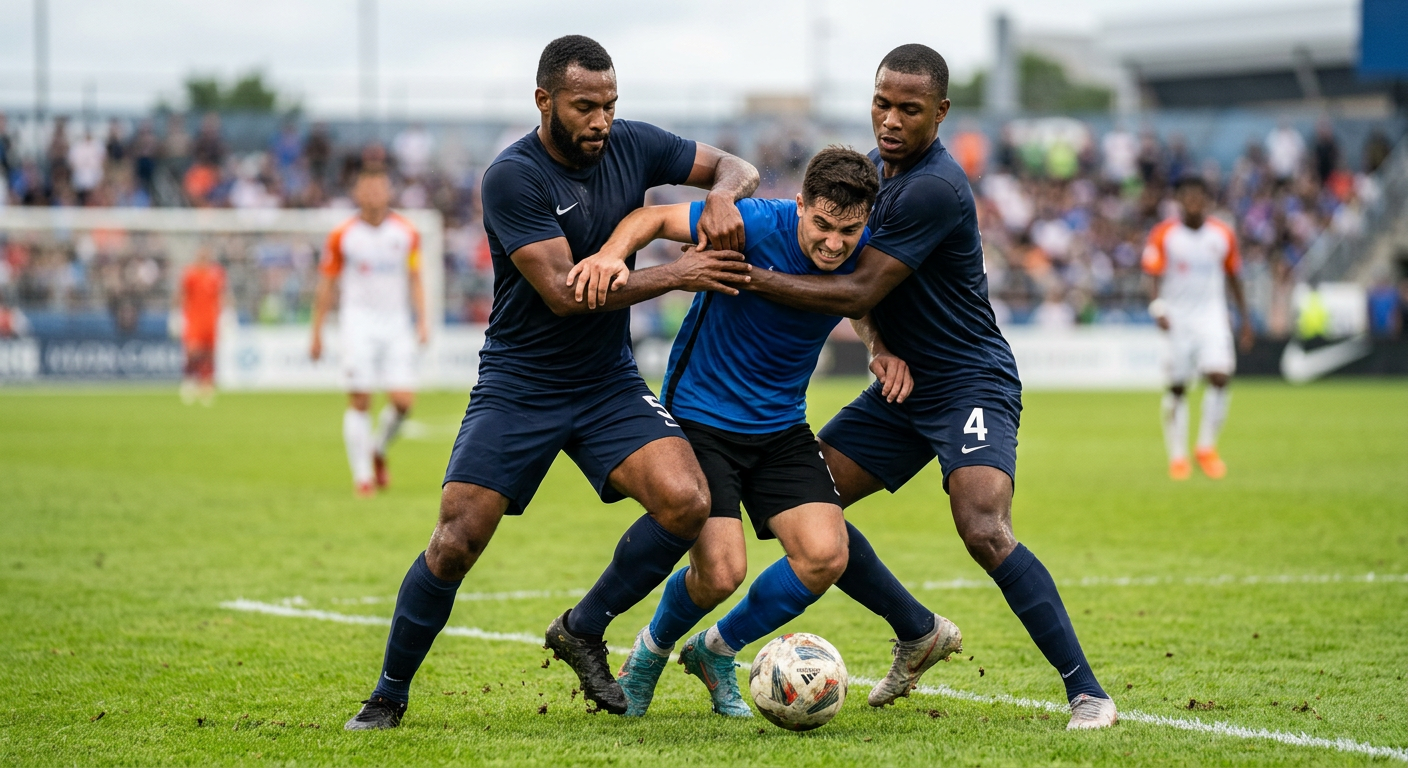
Defenders
Defenders sit closest to their own goal and are organized to close down space and win the ball back before it reaches dangerous areas.
Center Backs (CB)
Center backs play in the middle of the back line, usually in pairs or a trio depending on the formation. They mark opposing forwards, win headers on crosses and set-pieces, and are typically the tallest, most physical players on the team. Composure under pressure matters as much as strength, since a mistimed tackle in the box often means a penalty.
Fullbacks and Wing-backs (LB/RB)
Fullbacks patrol the left and right sides of the defense, tracking opposing wingers and cutting off crosses. In modern setups, fullbacks (sometimes called wing-backs when a formation uses three center backs) push far up the field to support the attack, overlapping with wingers and delivering their own crosses. Stamina is non-negotiable for the position since they cover the full length of the touchline.
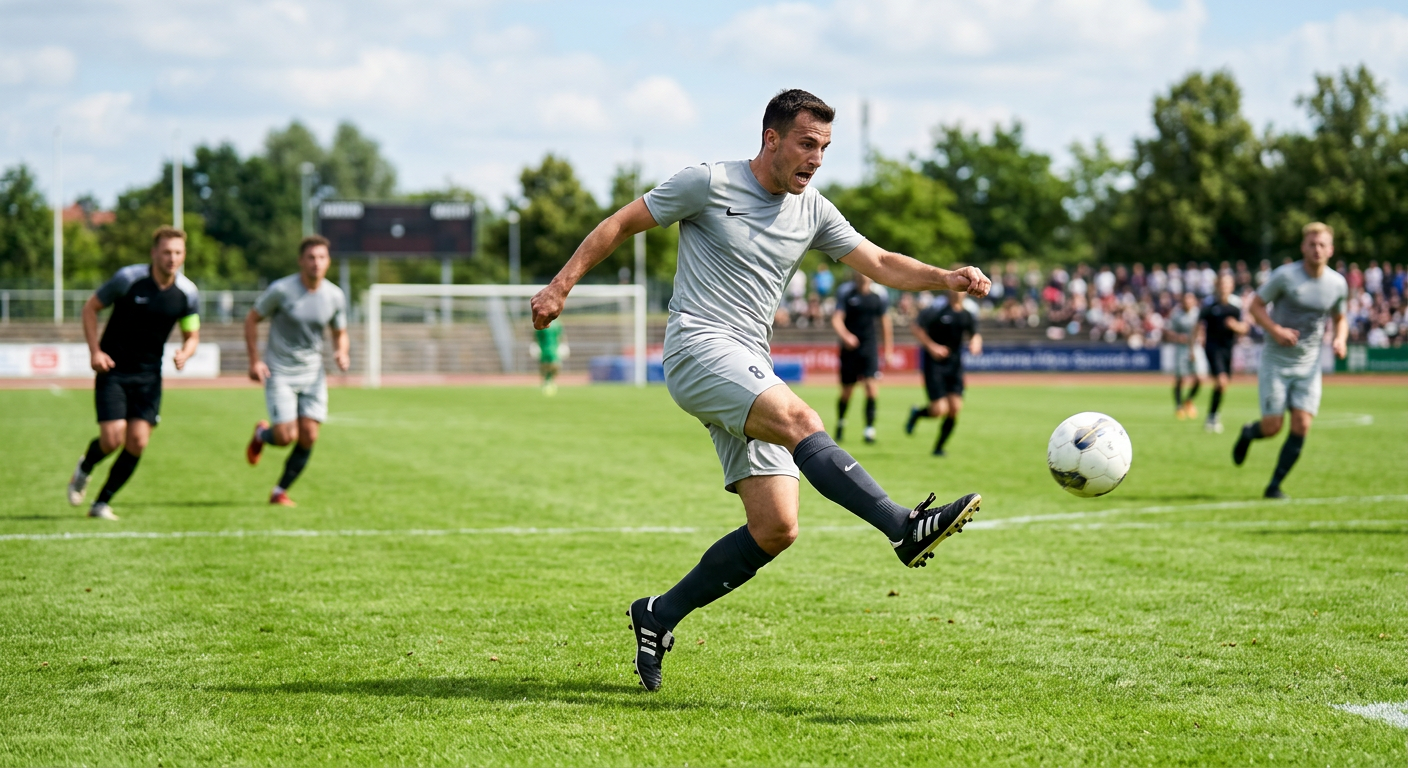
Midfielders
Midfielders connect the back line to the front line and usually cover more distance per game than any other position group.
Defensive Midfielder (CDM)
Also called a holding midfielder, this player sits just ahead of the center backs, intercepts passes, and breaks up the opponent’s attack before it develops. Passing range matters here too, since defensive midfielders often start the buildup after winning the ball.
Central and Box-to-Box Midfielder (CM)
Central midfielders balance defensive duties with attacking support, shuttling between both ends of the field. A box-to-box midfielder is the clearest example, covering ground from penalty box to penalty box and contributing tackles, passes and goals in the same match.
Attacking Midfielder (CAM)
Playing just behind the forwards, the attacking midfielder is often the team’s primary creator, threading passes into tight spaces and setting up chances. Wide midfielders, meanwhile, operate closer to the touchlines and blend into winger duties in many formations.
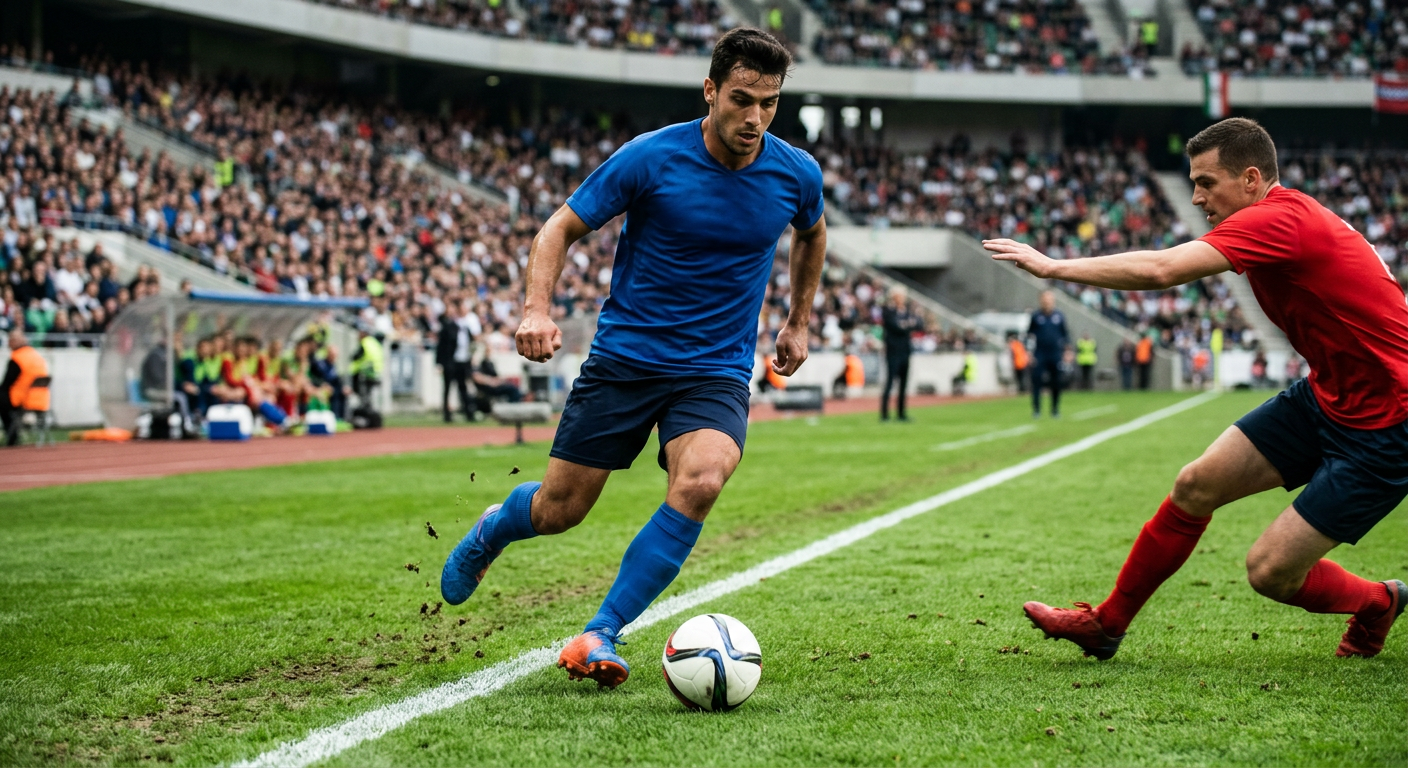
Forwards
Forwards operate closest to the opponent’s goal and are judged mainly on goals and assists.
Striker / Center Forward (ST/CF)
The striker plays centrally, hunts for chances inside the penalty area, and is usually a team’s top scorer. A center forward carries similar duties but often drops deeper to link play and bring teammates into the attack rather than staying fixed near the last defender.
Winger (LW/RW)
Wingers play out wide, using speed and dribbling to beat fullbacks and either cross the ball into the box or cut inside to shoot. Many of the most exciting attacking players in the modern game, from wide forwards to inverted wingers who cut in on their stronger foot, play this role.

Jersey Numbers and What They Signal
Traditional numbering still shows up in team sheets and commentary, even though modern squads assign numbers more loosely.
| Number | Traditional Position |
|---|---|
| 1 | Goalkeeper |
| 2, 3 | Fullbacks (right, left) |
| 4, 5 | Center backs |
| 6 | Defensive midfielder |
| 8 | Central/box-to-box midfielder |
| 7, 11 | Wingers |
| 9 | Striker/center forward |
| 10 | Attacking midfielder |
Formations rearrange these roles depending on a coach’s style. A 4-3-3 leans on wide forwards and a compact midfield trio, while a 3-5-2 relies on wing-backs to provide width that a back four would normally cover.
Watching Positions Play Out
Once you can spot the difference between a holding midfielder and a box-to-box runner, matches open up in ways they don’t for casual viewers. That’s especially useful heading into the 2026 World Cup, when tactical setups and personnel changes will shape how national teams like the US attack and defend. For more on following that tournament, see our guide on how NY bettors can wager on Team USA during the 2026 World Cup and the broader guide to World Cup betting and viewing in New York.
If you’re comparing how other sports break down their rosters and rules, our guides to how the NFL playoffs are structured and poker hand rankings cover similar ground for football and card games. And before placing any wager tied to a match, it’s worth reviewing the New York sportsbook house rules so you know how bets on specific players or positions are settled.